

When to Replace Tyres Australia
When to replace tyres Australia drivers often delay thinking about until something feels wrong. After long January road trips and extreme summer heat across Australia, tyres can carry hidden wear that only shows up weeks later.
If you’re unsure when to replace tyres Australia conditions demand attention. Heat, heavy loads and highway speeds accelerate tyre deterioration, increasing blowout risk and reducing braking performance.
Why February is a critical month for tyre safety
February sits in a risky window for Australian drivers. Roads are still hot. Storms are more frequent. And many vehicles have just come through weeks of heavy use.
Tyres that survived long holiday drives can now be weakened internally. The rubber may have aged faster. Pressure changes become more noticeable. Small issues that didn’t matter in cooler months can suddenly turn serious.
This is why tyre blowouts are more common in summer, including late summer. February is often when problems appear, not when they started.
How tyre age affects safety in Australian heat
Tyres don’t just wear out. They age.
Even if the tread looks acceptable, the rubber compound hardens over time. In Australia’s climate, this process happens faster. Most manufacturers recommend replacing tyres every five to six years, regardless of appearance.
If you’re unsure when you should replace your tyres in Australia, age is one of the most important factors to check. Older tyres are more likely to overheat, lose grip and fail suddenly, especially during hot weather driving.
February heat puts extra pressure on tyres that are already past their best.
Warning signs your tyres may need replacing
Tyre problems aren’t always obvious. Often, the warning signs are subtle.
You might notice that your car feels different on the road. Steering may feel less stable. Vibrations may appear at higher speeds. Tyre pressure may drop more frequently than usual.
Visually, you may see fine cracks along the sidewalls or uneven wear across the tread. These signs often appear after extended summer driving and should not be ignored.
If something feels off, it usually is. February is a smart time to act before conditions worsen.
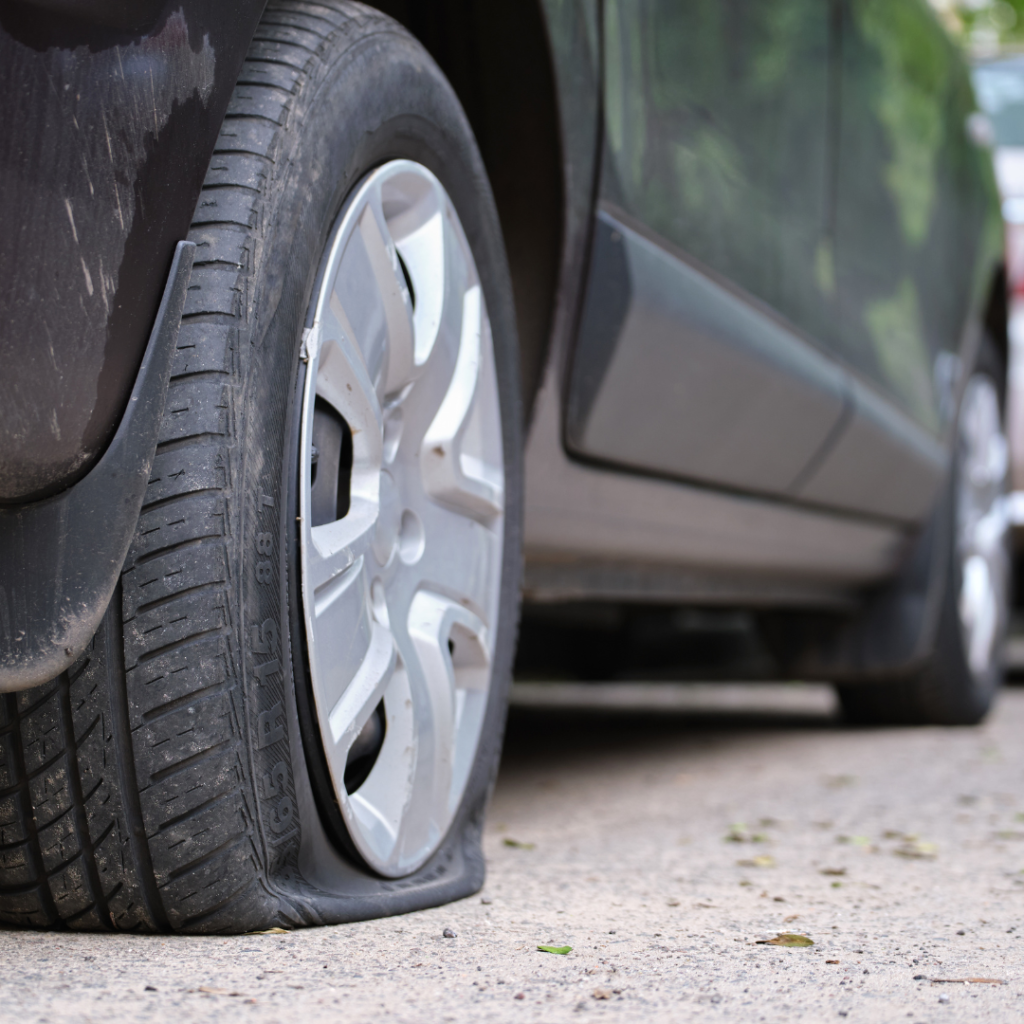
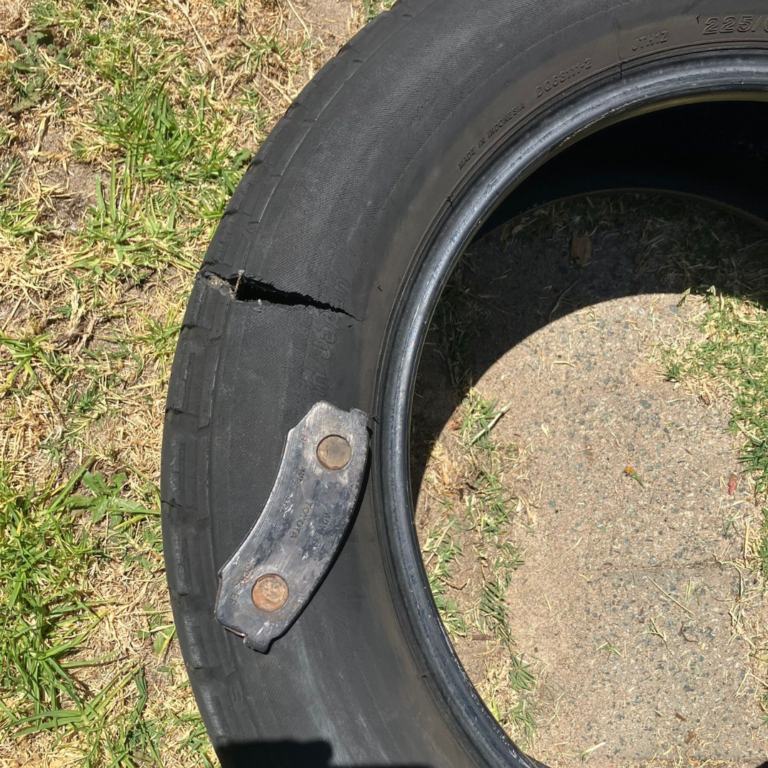
Why late summer driving increases blowout risk
Australian summer roads can exceed 60°C. Even in February, this heat remains intense. As tyres roll, friction generates additional heat inside the tyre. If pressure is incorrect or the tyre is ageing, this heat builds quickly.
Late summer also brings:
- Heavier vehicles from holiday packing
- Back-to-school and work commutes
- Increased wet roads from storms
- Long weekend getaways
This combination explains why tyre blowouts aren’t random events. They’re often the result of heat combined with hidden tyre issues that started weeks earlier.
How often should tyres be replaced for everyday drivers
There’s no single rule, but usage matters.
If you regularly drive long distances, carry family passengers, tow equipment or travel on highways, your tyres experience higher stress. In these cases, replacing tyres earlier than the maximum recommended age can significantly improve safety.
For families, tyre reliability isn’t just about convenience. It’s about keeping everyone safe during daily driving, school runs and weekend trips.
Understanding when you should replace your tyres in Australia helps reduce risk and avoid unnecessary stress.
How Wheel Change U supports drivers in late summer
This is where convenience makes a real difference.
Wheel Change U is Australia’s leading mobile tyre replacement and repair service. We come to you, whether you’re at home, at work or preparing for upcoming travel.
Our technicians can assess tyre age, identify heat-related damage and recommend replacement if needed. Everything happens on your schedule, without the need to visit a workshop.
With national coverage and trusted service, Wheel Change U helps drivers stay safe during one of the toughest times of year for tyres.
Stay safe on the road this January - Say no to tyre blowouts
January should be about enjoying summer, not dealing with avoidable tyre issues.
Blowouts aren’t random. They’re usually the result of heat combined with hidden tyre problems. With more cars on the road and longer drives in extreme temperatures, tyre safety deserves attention.
If you’re planning a road trip, beach run or long drive this January, now is the time to act.